
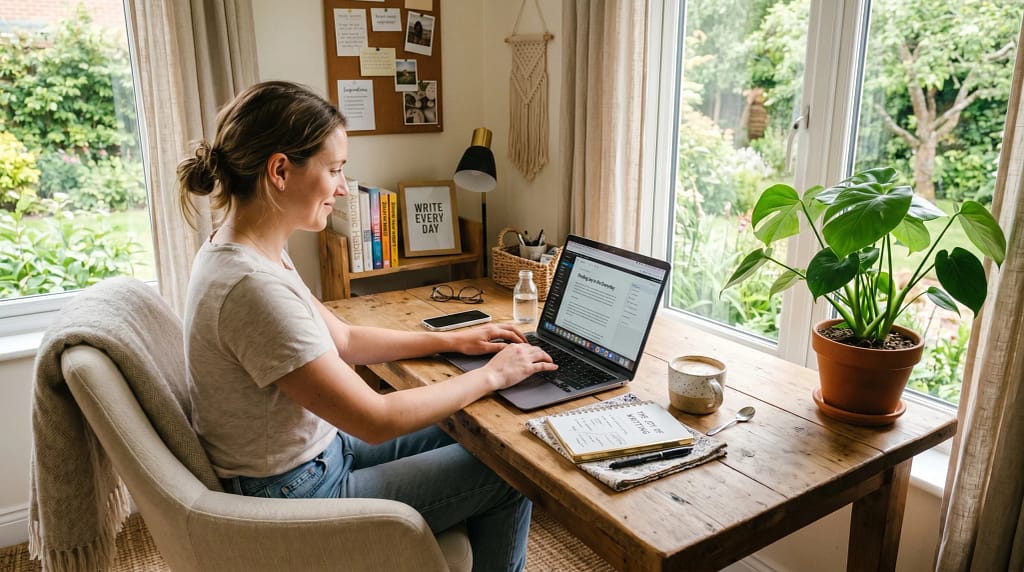
Starting a blog in 2026 feels both exciting and challenging. Blogging has changed significantly over the past 10 years, and standing out takes more than just writing a post and hitting publish. With AI-generated content and changing online habits, growth signifies the importance of being intentional and somewhat strategic in your endeavors. Here’s my personal take on how you can start a blog that doesn’t just exist but really grows in 2026.
Why Start a Blog in 2026?
Even with all these social platforms and short-form videos, people still stumble upon real opportunities with blogging. It gives you a kind of digital home base that’s all yours. You never have to worry about algorithms changing overnight or your account being randomly deleted. Blogging is still a solid way to share ideas, build community, and even earn a living, if that’s your goal.
Some folks blog to document life moments, some use it to build a business, and others do it for fun. Whatever your reason, figuring out what you want from your blog can help shape everything that follows.
Getting Your Blog Online: First Steps
Getting started is a lot easier now than it was years back. Here’s what works in 2026:
- Pick your platform: WordPress, Ghost, and Wix remain easy options, but Substack and Beehiiv are popular for those who want a newsletter vibe.
- Secure your domain name: Short, memorable, and easy to spell is the way to go. Use Namecheap or Google Domains.
- Choose reliable hosting: If you go with self-hosted WordPress, SiteGround and Cloudways are still pretty solid. For all-in-ones, Ghost or Webflow are worth checking out.
- Set up basic design: Modern, readable, mobile-friendly themes are super important. Minimal layouts work well in 2026.
What’s really important here is setting up your foundation right. You’ll thank yourself later when things start to grow.
👉 If you haven’t done this yet:
Read → How to Start a Website in 2026
Picking a Blog Niche That Grows in 2026
Choosing the right blogging niche matters more than ever. What’s working in 2026 might surprise you:
- Evergreen topics: Health, personal finance, self-improvement, tech tips—these never seem to go out of style.
- Hobbies and microniches: Superspecific interests (think rare plant care or home coffee science) pull in loyal readers.
- AI and future tech: People are searching for practical, user-focused content on AI tools, automation, and digital nomad life.
- Sustainable living & green tech: Eco-friendly trends show no sign of disappearing and attract passionate communities.
The key to niche selection is loving what you talk about and knowing that there’s a real group of people out there searching for it. Trends show that niche expertise beats broad coverage for new blogs trying to break through.
Which Niche is Best for Blogging in 2026?
Niches that combine evergreen need with a touch of personality do best. Think personal finance for Gen Z, remote work tips for freelancers, AI productivity tricks, or sustainable home living. If you can add your unique take, that’s even better.
Content Strategy: Creating Posts That Actually Get Read
Long gone are the days of posting just anything and hoping for the best. Here are a few things I find super useful when planning content in 2026:
- Hit the 80/20 Rule: Focus 80% of your energy on the 20% of topics that actually pull organic traffic or help build your brand. This might mean updating high-performing posts or doubling down on your most-searched topics.
- Blend in multimedia: Add videos, infographics, or short interactive polls. Blogs with some variety in media seem to keep people sticking around longer.
- Avoid keyword stuffing: Search engines (especially Google) are way smarter. Write for real people, not robots.
- Pillar content works: Create a few really deep, helpful guides on your core topics. Then, build smaller “supporting” posts that link back to these guides.
Consistency also matters, but it doesn’t have to mean daily. A schedule that works for you and your audience is usually enough. The main thing is that you’re always improving, not just publishing just to hit a quota.
What is the 80/20 Rule for Blogging?
The 80/20 rule for blogging means that about 80% of your traffic and results will come from just 20% of your posts. The trick is finding and choosing content that will bring the best results, then putting more work into promoting and improving those rather than trying to turn every post into a winner.
Promoting Your Blog: How to Actually Get Visitors
Getting eyeballs on your posts can feel like the hardest part. Growth today relies on a mix of strategies. Here are approaches worth trying in 2026:
- Newsletter growth: Collect emails from day one. Even if you start with ten subscribers, you own that list and can connect directly.
- SEO best practices: Use tools like Ahrefs or SEMrush to find topics people search for, but keep things conversational and helpful.
- Social media crossposting: Repurpose your posts as carousels for Instagram or threads for X (Twitter). This opens up new audiences.
- Guest posting & collaborations: Swapping content or teaming up with bloggers in your niche builds backlinks and community.
Additionally, engaging in online communities like Reddit, LinkedIn groups, or focused Facebook groups can help draw initial visitors to your blog. Answering questions on forums or sharing brief insights from your blog posts builds authority and can bring targeted traffic over time.
👉 Learn more:
SEO Basics for Beginners
Monetization: How Bloggers Make a Living in 2026
People ask all the time if blogging actually makes money anymore. The answer is yes, if you’re willing to treat it like a little business. Revenue sources in 2026 include:
- Affiliate marketing: Recommend products you use. Amazon is still around, but niche-specific programs often pay better.
- Sponsored content: Brands want access to loyal blog audiences, even if it’s just a few thousand visitors a month.
- Online courses/ebooks: Package your expertise and sell it directly to your audience.
- Memberships & subscriptions: Use platforms like Patreon or Ghost’s member features for premium content.
Many bloggers also experiment with offering live workshops or virtual events, adding another revenue stream. The key is to listen to your audience—survey them or check in by posting comments and sending emails to see what would truly show them value.
👉 Read:
How to Make Money From a Website
How Long Does It Take to Make $1000 Per Month Blogging?
This question gets thrown around a lot. For most bloggers, making $1000 per month takes between 12 and 24 months of steady, high-quality work; sometimes longer. It depends on your niche, your promotion, and if you’re creating products or making the most of affiliate programs. There’s no quick route, but growth is possible with patience and a clear map out.
What’s Changing in Blogging? (And Is Blogging Outdated?)
The internet switches things up quickly, and blogging is changing too. Here’s what’s happening:
- Shortform content: TikTok, YouTube Shorts, and Instagram are super popular, but they usually bring people to blogs for more in-depth info.
- AI-generated content: Tools like ChatGPT create tons of content, but readers still want human insight and personal stories.
- Personal brand focus: People are following bloggers for their one-of-a-kind perspectives, not just the same old advice.
What Is Replacing Blogging?
Instead of being swapped out, blogging is being mixed with other formats. Newsletters, podcasts, and video content are working alongside blogs, but blogs are still valuable for in-depth resources and evergreen guides.
Are People Still Blogging in 2026?
Tons of people are still launching and growing blogs, whether focused on hyperniche topics, making extra cash, or building personal brands. So no, blogging isn’t going anywhere anytime soon.
Is Blogging Outdated?
Blogging isn’t outdated as long as you focus on real value, honest storytelling, and reliable information. It’s less about quick SEO tricks and more about building your community and helping people fix problems.
Common Roadblocks and How to Move Past Them
Every blogger hits a bump here or there. These are the snags that pop up the most:
- Imposter syndrome: Everyone feels like a beginner at first, even the pros. Just post and learn as you go.
- Slow growth: The early months are quiet for most blogs. Don’t let that keep you from improving each time you publish.
- Burnout: Batch write posts, use templates, and don’t be afraid to take breaks. It’s a long haul, not a sprint.
- Tech headaches: Use managed hosting or beginner-friendly platforms if you don’t want to mess with servers and plugins every week.
Dos and Don’ts of Blogging in 2026
Do:
- Post consistently, even if it’s just once or twice a month
- Get involved with readers by replying to comments and emails
- Use images and concise headings for easy reading
- Focus on topics with true search volume and community interest
- Keep learning new tools and trends
Don’t:
- Get discouraged by slow stats early on
- Copy others or only rely on AI-generated posts
- Ignore site updates and security basics
- Forget to backup your blog
- Write for search engines instead of real people
Frequently Asked Questions
Start with a clear niche, invest in modern hosting, focus on helpful content, and build community through social media and email. Stay consistent, use analytics to measure progress, and don’t be afraid to switch up your approach if results stall.
About 80% of your blog’s results come from 20% of your posts or efforts. Find what’s working and put more attention there, rather than spreading yourself thin across everything.
Microniches with passionate audiences, like ecoliving, AI tools for small businesses, or niche health tips, work well if you have a real interest in the topic.
Expect 12 to 24 months with steady effort, quality content, and strong promotion. Success can come quicker in profitable niches or with smart products, but patience really pays off.
Newsletter first content, podcasts, and video posts are popular, but most creators now mix these with a traditional blog for the best results.
Yes, plenty of people are starting new blogs and growing online incomes in 2026. The format continues to switch up, but it still works for anyone willing to put in consistent effort.
Do focus on original, helpful content and community. Don’t depend fully on AI, ignore design, or burn out chasing quick results.
Most use a blend of affiliate marketing, sponsored posts, digital products, and reader-supported models like Patreon or premium newsletters.
Not at all. As long as you offer honest experiences, truly helpful info, and real stories, people are still hungry for great blogs.
Final Thought
A blog that grows isn’t built overnight. It’s built through clear structure, helpful content, and consistent effort.
Start simple—and keep going.
I found this to be an interesting post. I started blogging as an off-grid soap maker and off grid living and honestly never expected how much consistency and personal stories would matter. It really does seem like people connect more with real experience now instead of perfectly polished content. I share my own experiences and have found that the interest in my sights have been growing
Thank you for sharing that — and I completely agree. Authenticity and real experience seem to resonate more than ever, especially in blogging. Your off-grid soap-making and living niche sounds like a perfect example of how personal stories create genuine connection. Wishing you continued growth with your site!
This is a great post. Excellent “How To” for beginners trying to decide. You offer alternatives for pretty much everything. You are right on the mark with try to make things personal. It’s much easier for the reader to relate. Best of luck!
This is a great post. Excellent “How To” for beginners trying to decide. You offer alternatives for pretty much everything. You are right on the mark with try to make things personal. It’s much easier for the reader to relate. If a beginner follows your direction they will find it easier to succeed. Best of luck!
Reply
Thank you — I really appreciate that thoughtful feedback. Helping beginners feel less overwhelmed and more confident is exactly what I was aiming for. And I completely agree — making things personal helps create a much stronger connection and makes the learning process more meaningful. Thanks again for your encouragement!